Understanding the 4Cs of Diamonds
When it comes to buying a diamond, the 4Cs are your best friend. They stand for Cut, Clarity, Carat, and Color—the key factors that determine a diamond’s value and beauty. Let’s break these down so you can approach your purchase with confidence, knowing you’re making an informed choice.
Cut: Where the Magic Happens
The cut of a diamond is arguably the most important of the 4Cs. It’s all about how well the diamond’s facets interact with light. A good cut can make a diamond sparkle like nothing else, while a poor cut might leave it looking dull.
Imagine a well-cut diamond as a prism of light: it reflects and refracts light beautifully, creating brilliance and fire. When selecting a diamond, always prioritize cut over carat size if you want a stunning stone. A smaller, well-cut diamond will often outshine a larger one with a lesser cut.
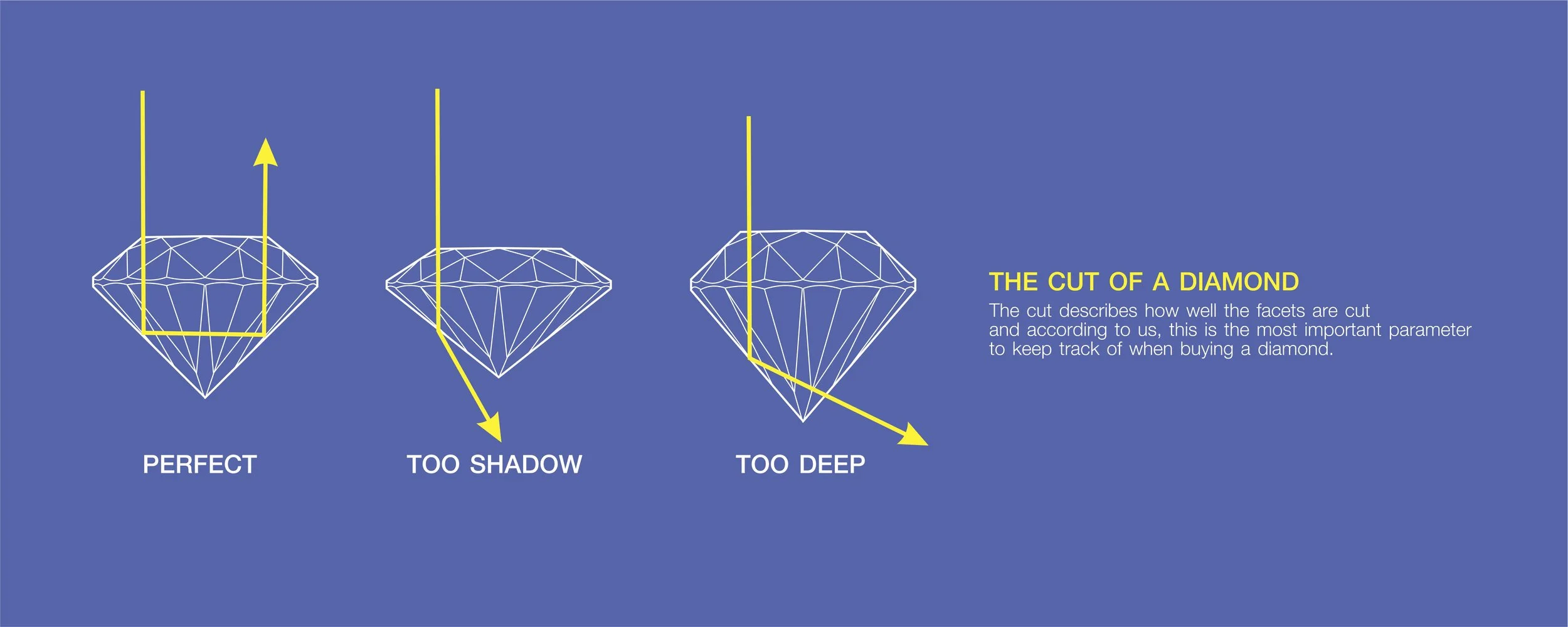
Helpful Tip: Stick to “Excellent” or “Very Good” cut grades to ensure maximum brilliance. If you’re curious about specific cuts, consider browsing reputable sites like Blue Nile’s Cut Guide for in-depth charts that compare different grades.
Clarity: The Diamond’s Inner Story
Clarity refers to how free a diamond is from internal flaws (inclusions) or external blemishes. While these imperfections are often invisible to the naked eye, they can affect the stone’s overall beauty and price. Clarity is graded on a scale, from Flawless (FL) to Included (I1, I2, I3).
Here’s the good news: most inclusions are so tiny that they’re only visible under magnification. You don’t need to aim for perfection to get a beautiful diamond. VS1 and VS2 grades are a great middle ground—offering near-perfect clarity at a better price point than a flawless stone.
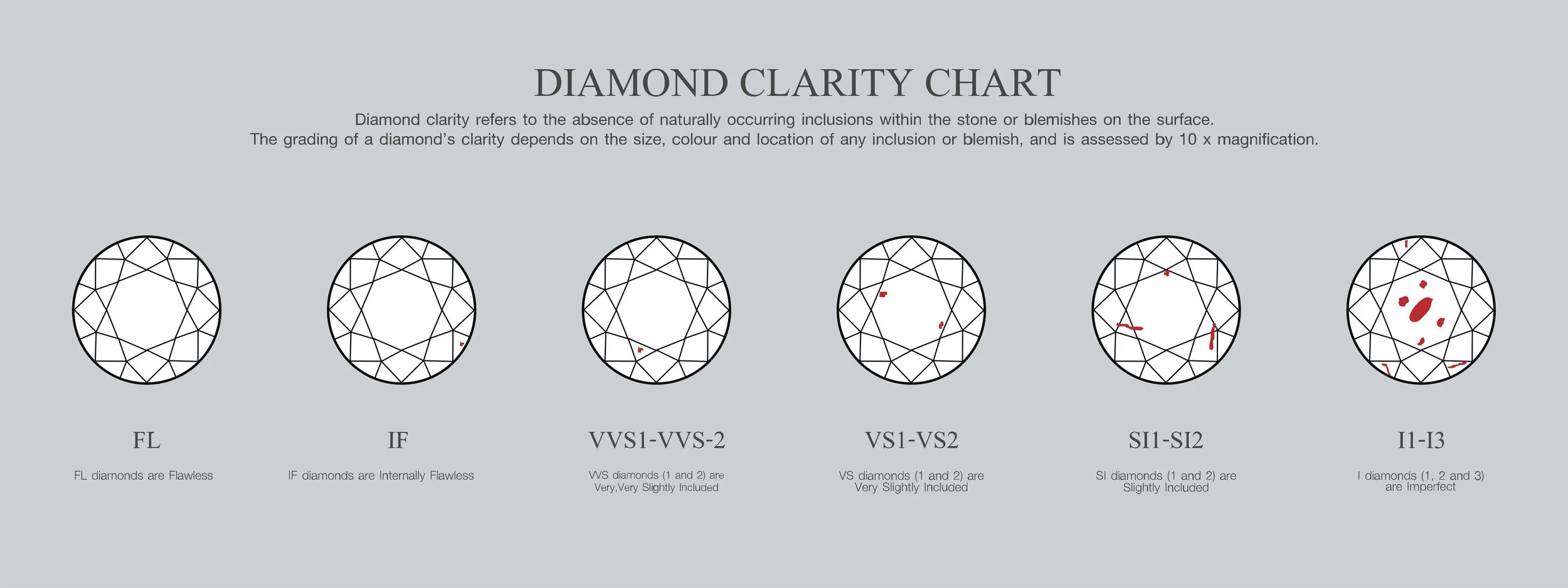
Recommended Resource: If clarity is important to you, consider purchasing a loupe (a jeweler’s magnifying glass) to see the inclusions yourself when you’re shopping.
Carat: Size Does Matter—But It’s Not Everything
Carat refers to the weight of the diamond. While many people think “bigger is better,” remember that carat is just one part of the puzzle. A heavier diamond won’t look as impressive if it doesn’t have a good cut, clarity, or color to back it up.
The key to carat size is balance. It’s better to have a smaller, high-quality diamond than a larger one with visible flaws or poor light performance. Also, keep in mind that slight differences in carat weight (like 0.9 carats vs. 1.0 carat) are often visually imperceptible but can result in significant price savings.
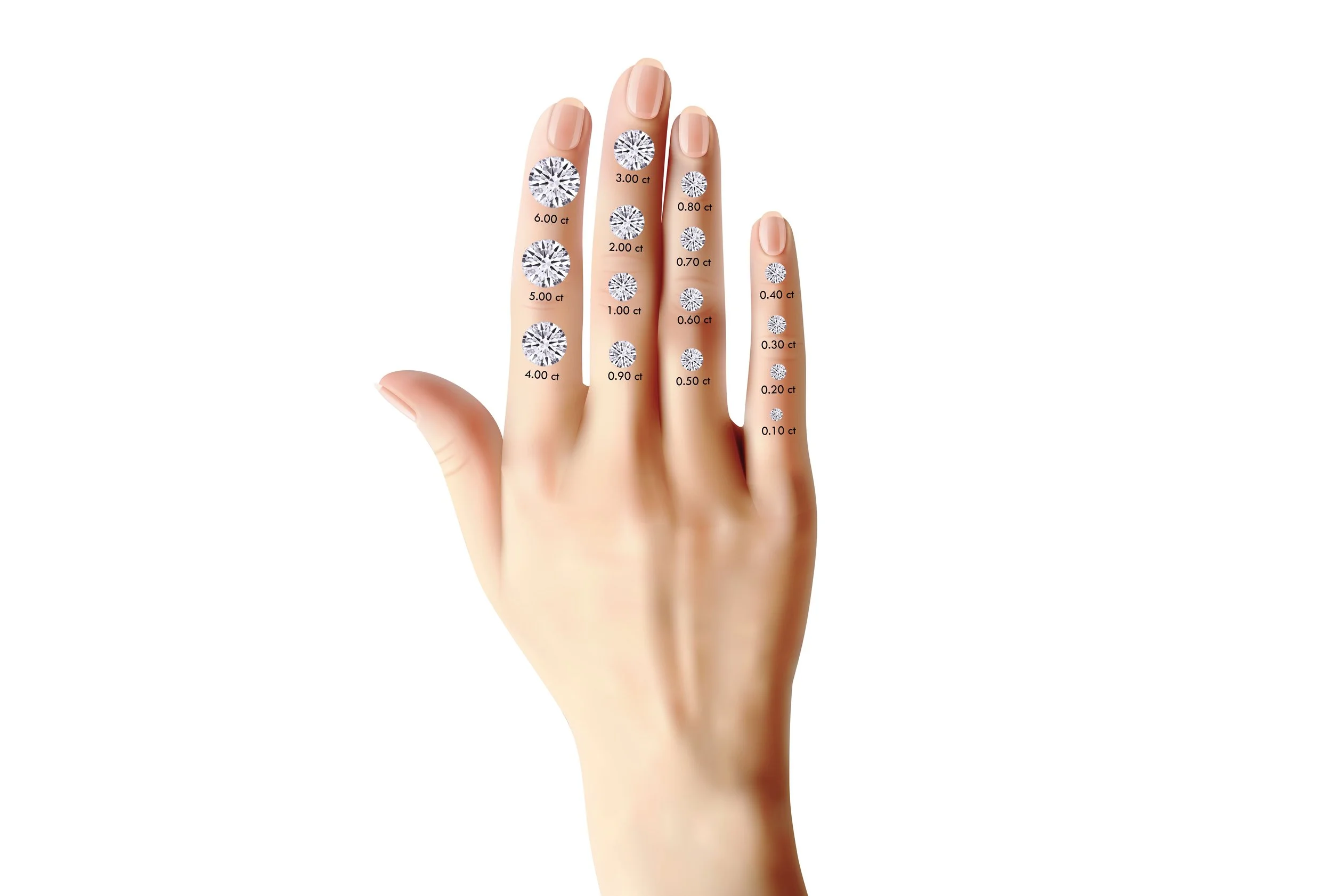
Shopping Tip: Compare carat sizes visually before making a decision. Sometimes a well-cut smaller diamond looks larger than a poorly cut bigger diamond.
Color: The Subtle Art of Hue
When we talk about diamond color, we’re actually discussing the absence of color. The less color a diamond has, the more valuable it is. Diamonds are graded from D (colorless) to Z (noticeable yellow or brown tint).
For most buyers, G-I graded diamonds offer a great balance between a “near-colorless” look and cost. You’ll get a bright, white-looking diamond without paying a premium for a D-grade stone.
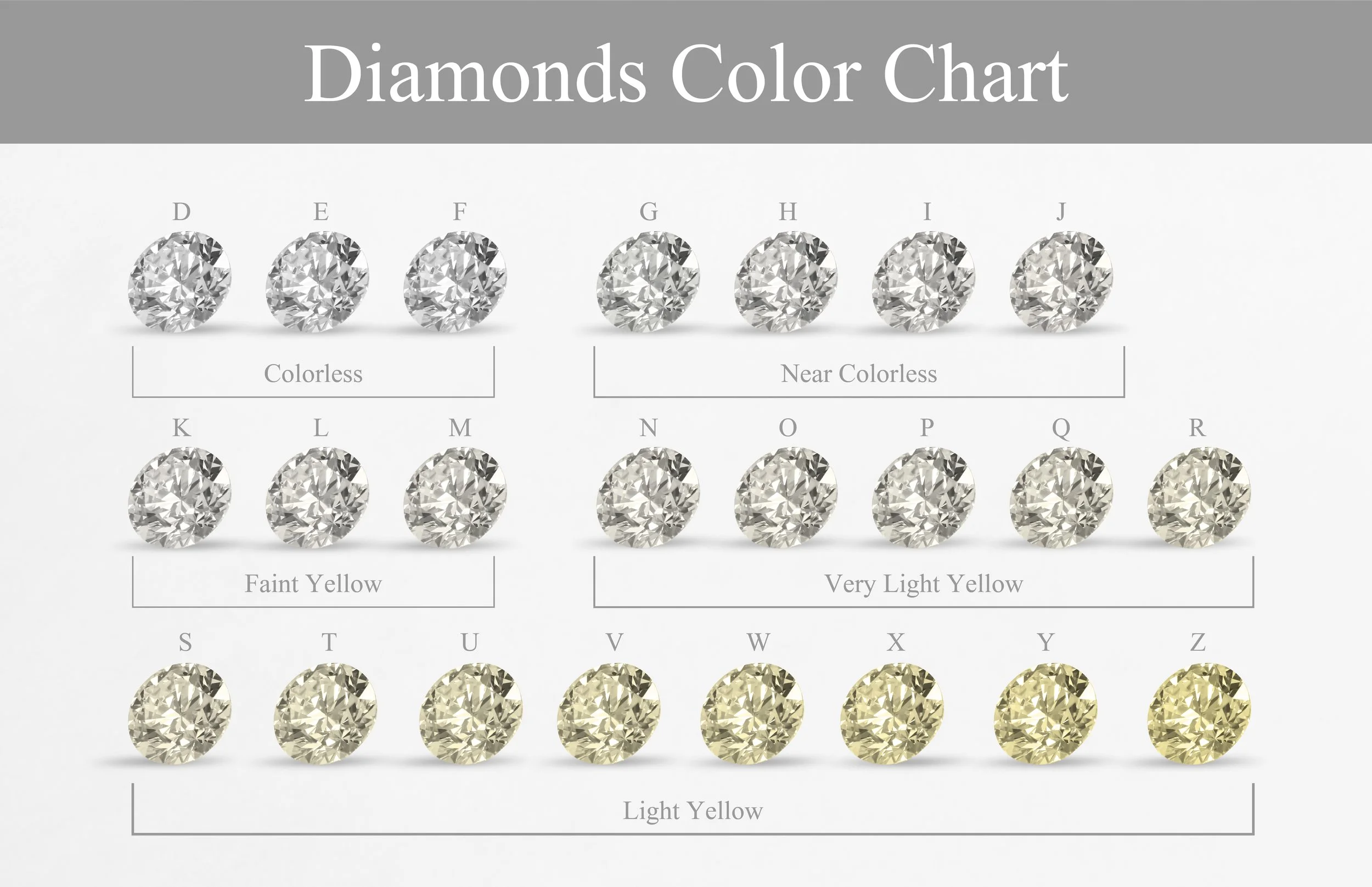
Pro Tip: Once mounted in a ring, the color differences between diamonds in the G to I range are often hard to detect without expert knowledge. Save your money and opt for one of these color grades.
Bringing It All Together: What’s the Right Balance for You?
Choosing the right diamond is all about balancing the 4Cs to match your priorities. If sparkle is your top priority, focus on the cut. If size matters most, you might want to prioritize carat while being flexible on clarity or color.
Remember, there’s no one-size-fits-all approach. The perfect diamond is the one that reflects your unique preferences and budget.
If you want to explore more details or refine your search further, consider visiting trusted online retailers like Blue Nile or Ritani. Both offer extensive search filters that let you prioritize the 4Cs that matter most to you. By understanding the 4Cs, you’re well on your way to choosing a diamond that’s perfect for you or your loved one. Happy shopping!
Helpful Products and Resources
Loupe: For examining diamond clarity up close. Available on Amazon [link].
Diamond Grading Reports: Always request a certification from a reputable lab (GIA, AGS). Ensure you understand what the report indicates before making your final decision.
Comparison Tools: Use online diamond comparison charts from trusted retailers to see how different diamonds rank against each other.
