Diamond Cut
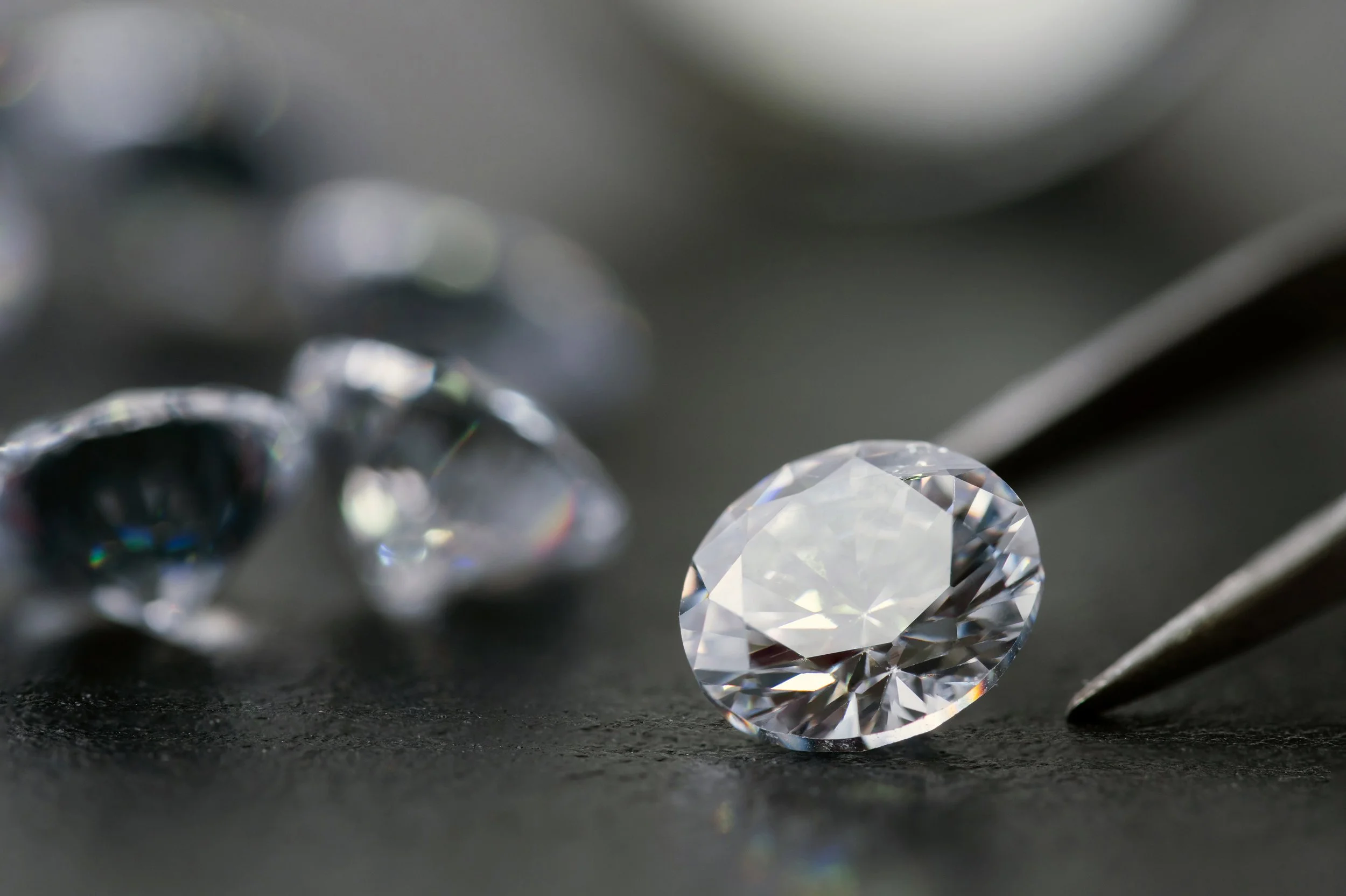
I know what you're thinking: "Why should I, as a man, care about diamond cuts?" Well, my friend, if you're planning on buying a diamond for any reason, be it an engagement ring, a gift, or even for yourself, it's crucial to understand the ins and outs of diamond cuts. But don't worry, I've got your back. In this ultimate guide, we're going to cover everything there is to know about diamond cuts, including practical advice on how to choose the right one for your needs. So grab a drink, sit back, and let's dive in.
What is a Diamond Cut?
When talking about diamonds, the term "cut" refers to the way the diamond is shaped and faceted, affecting its overall appearance and brilliance. The cut is arguably the most critical factor in determining a diamond's beauty and value because it directly impacts the way it reflects and refracts light.
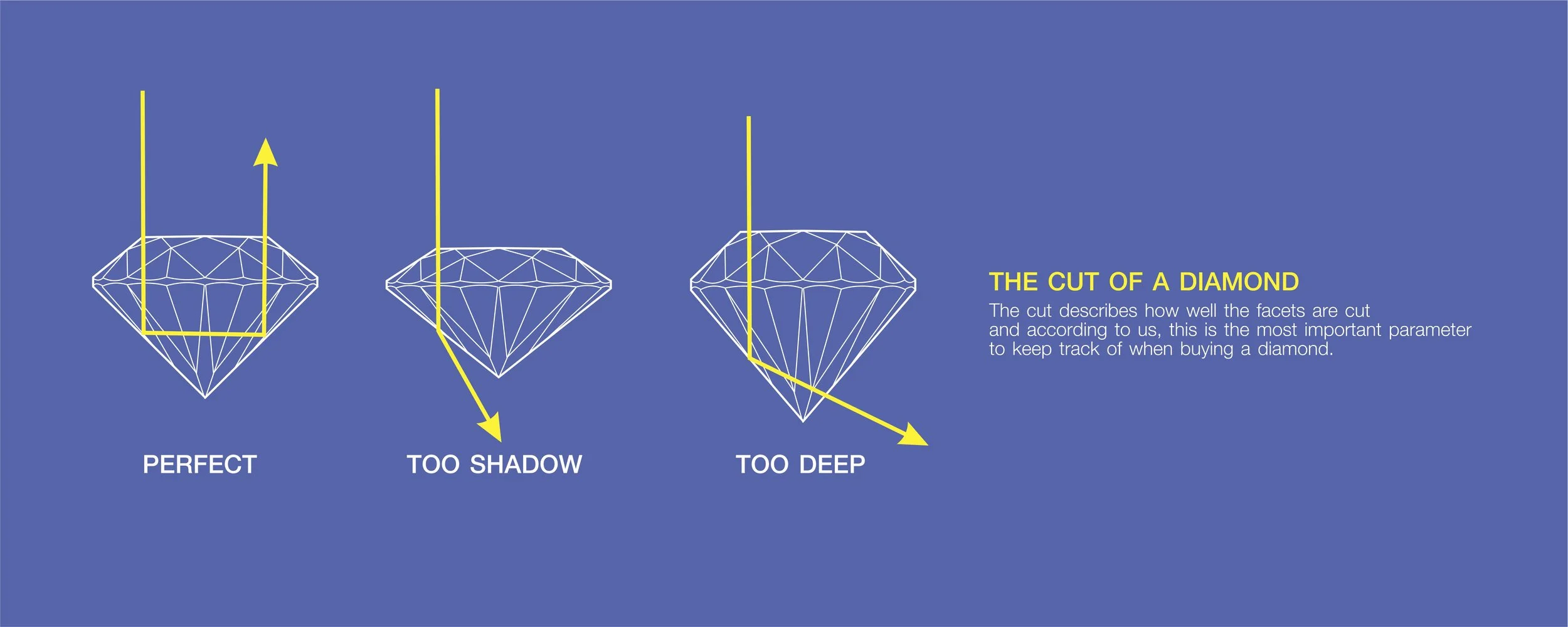
To understand why the cut is so essential, let's have a quick science lesson. When light enters a diamond, it either reflects off the internal facets (known as total internal reflection) or passes through the diamond and exits (known as refraction). A well-cut diamond maximizes the amount of light that reflects back to your eyes, creating the sparkle and brilliance we all love. Conversely, a poorly cut diamond will lose more light through its sides and bottom, appearing dull and lifeless.
Diamond cut grades are used to evaluate the quality of a diamond's cut. The Gemological Institute of America (GIA) grades diamond cuts on a scale from Excellent to Poor. Here's a quick rundown of what each grade means:
Excellent: Maximum brilliance, fire, and scintillation; near-perfect symmetry and proportions
Very Good: High brilliance, fire, and scintillation; minor flaws in symmetry or proportions
Good: Above average brilliance, fire, and scintillation; noticeable flaws in symmetry or proportions
Fair: Some brilliance, fire, and scintillation; significant flaws in symmetry or proportions
Poor: Minimal brilliance, fire, and scintillation; severe flaws in symmetry or proportions
Remember that a higher cut grade generally means a more beautiful and valuable diamond.
Popular Diamond Cuts
Now that we've covered the basics, let's explore some of the most popular diamond cuts out there. Each cut has its unique characteristics, and understanding these differences will help you choose the right one for your needs.

Round Brilliant - The round brilliant cut is by far the most popular diamond cut, accounting for more than 75% of all diamonds sold. With 58 facets, this cut is designed to maximize a diamond's brilliance, fire, and scintillation. The round brilliant is a versatile and classic choice, suitable for various settings and styles.
Princess - The princess cut is a square-shaped diamond with sharp corners, featuring either 57 or 76 facets. Known for its modern and elegant appearance, the princess cut is the second most popular diamond cut. It's an excellent choice for those looking for a contemporary design with lots of sparkle.
Cushion - The cushion cut, also known as the pillow-cut or candlelight cut, is a square or rectangular diamond with rounded corners and 58 facets. This cut has a vintage and romantic feel, reminiscent of old Hollywood glamour. The cushion cut is perfect for those who appreciate a classic look with a twist.
Emerald - The emerald cut is a rectangular shape with step-like facets and beveled corners. With 50 to 58 facets, this cut emphasizes a diamond's clarity and creates a unique "hall of mirrors" effect. The emerald cut is a sophisticated and elegant choice, perfect for those who appreciate clean lines and understated glamour.
Asscher - The Asscher cut is a square version of the emerald cut, with the same step-like facets and beveled corners. With 58 facets, this cut offers a distinctive vintage charm and elegance. The Asscher cut is a great option for those who love the emerald cut but prefer a square shape.
Oval - The oval cut is an elongated version of the round brilliant cut, with 56 to 58 facets. This cut offers a similar level of sparkle as the round brilliant but with a more unique shape. The oval cut is an excellent choice for those looking to elongate their fingers or create the illusion of a larger diamond.
Marquise - The marquise cut is an elongated shape with pointed ends, featuring 58 facets. This cut maximizes the carat weight, making the diamond appear larger than it actually is. The marquise cut is a bold and dramatic choice, suitable for those who want to make a statement.
Pear - The pear cut, also known as the teardrop cut, is a combination of the round brilliant and marquise cuts. With 58 facets, this cut offers a high level of sparkle and an elegant, unique shape. The pear cut is a versatile option that works well in various settings and styles.
Radiant - The radiant cut is a square or rectangular shape with cropped corners and 70 facets. This cut combines the brilliance of the round cut with the clean lines of the emerald cut. The radiant cut is an excellent choice for those who want a modern, eye-catching design with plenty of sparkle.
Heart - The heart cut is a modified version of the round brilliant cut, shaped like a heart with 59 facets. This cut is a romantic and symbolic choice, perfect for those who want a unique and sentimental design.
Choosing the Right Cut
Now that we've explored the most popular diamond cuts, let's discuss some practical advice on how to choose the right one for you.
When selecting a diamond cut, think about your personal style and preferences. Do you prefer classic and timeless designs or more modern and trendy options? Choose a cut that reflects your taste and complements your overall aesthetic.
The setting you choose can have a significant impact on the overall appearance of your diamond. Some cuts, like the round brilliant and princess, work well in virtually any setting, while others, like the marquise and pear, may require more specific settings to showcase their unique shape. Keep the setting in mind when selecting your diamond cut.
When choosing a diamond cut, it's essential to consider the 4Cs: carat weight, clarity, color, and cut. Each cut will emphasize different aspects of a diamond's appearance. For example, the emerald and Asscher cuts highlight a diamond's clarity, while the round brilliant and cushion cuts maximize its brilliance. Think about which of the 4Cs is most important to you and select a cut that aligns with your priorities.
Finally, don't hesitate to consult a professional jeweler or gemologist for guidance. They can provide valuable insights and advice on choosing the right diamond cut based on your needs, preferences, and budget.
