Diamond Grading Scales: Clarity, Color, and Cut Explained
When it comes to understanding diamonds, the grading scales for clarity, color, and cut are essential. These three factors can significantly affect a diamond's beauty and value, and knowing how they are evaluated will help you make a more informed purchase. Let’s take a closer look at each of these grading scales so that you can feel confident in choosing the right diamond for you.
Clarity Scale: From Flawless to Included
The clarity of a diamond measures how free it is from internal flaws (inclusions) or surface imperfections (blemishes). These natural characteristics form during the diamond’s creation, and most are invisible to the naked eye. Diamonds are graded on a clarity scale that ranges from Flawless (FL) to Included (I1, I2, I3).
Flawless (FL): No inclusions or blemishes visible under 10x magnification. Flawless diamonds are extremely rare and highly prized.
Internally Flawless (IF): No internal inclusions, but may have some minor surface blemishes. These diamonds are also very rare and appear exceptionally clean.
Very, Very Slightly Included (VVS1, VVS2): Contains minute inclusions that are incredibly difficult to detect under 10x magnification. These diamonds are nearly flawless and are an excellent choice for those seeking high quality.
Very Slightly Included (VS1, VS2): Contains minor inclusions that are still difficult to spot under magnification. VS diamonds strike a great balance between quality and value, as most inclusions are not visible to the naked eye.
Slightly Included (SI1, SI2): Inclusions are noticeable under 10x magnification, and some may be visible without magnification. SI diamonds are a good choice if you’re looking for value while still maintaining a beautiful appearance.
Included (I1, I2, I3): Inclusions are easily visible under magnification and can affect the diamond’s transparency and brilliance. These diamonds are more affordable, but their inclusions may be noticeable without magnification.
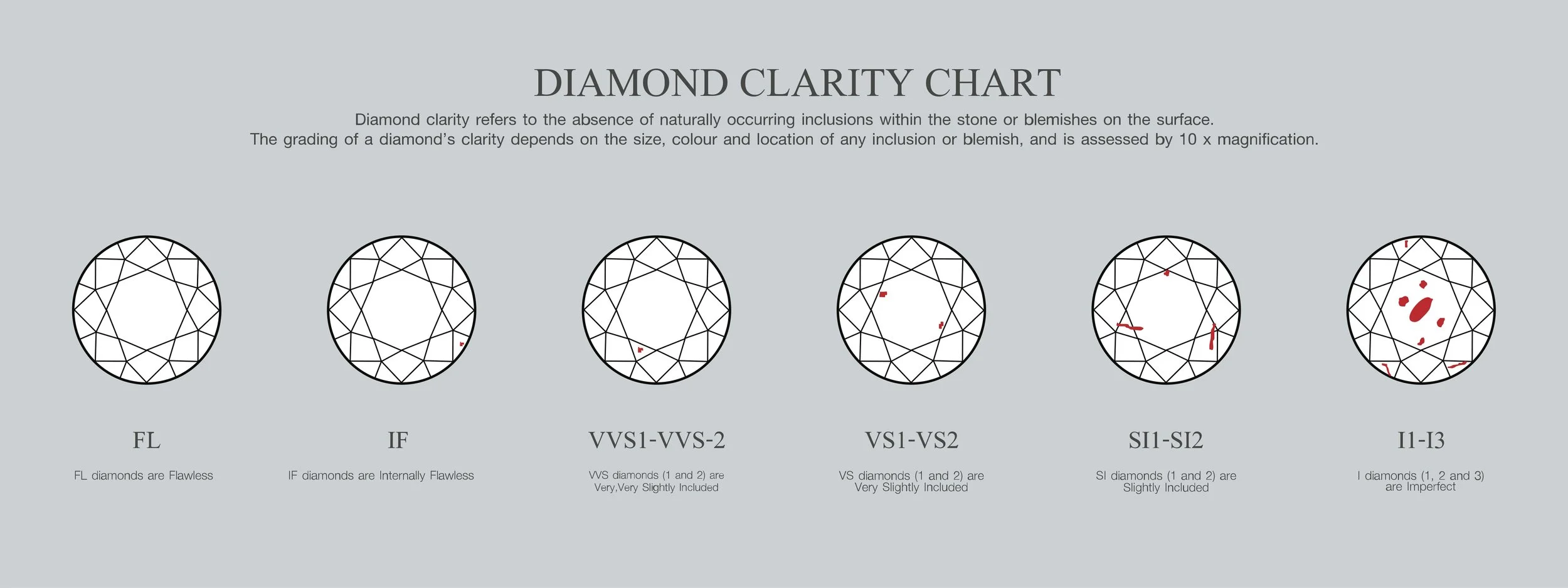
Helpful Tip: If you’re on a budget, consider diamonds in the VS or SI range. Most inclusions in these grades are not noticeable to the naked eye, allowing you to get a beautiful diamond at a lower cost.
Color Scale: From D to Z
The color of a diamond refers to how colorless it is. The less color a diamond has, the higher its value. Diamonds are graded on a scale from D (completely colorless) to Z (noticeable yellow or brown tint). The closer a diamond is to being colorless, the more rare and valuable it is.
D-F (Colorless): These diamonds are exceptionally rare and have no visible color. They are the most valuable and provide a bright, icy-white appearance.
G-J (Near Colorless): Diamonds in this range have slight traces of color, but they still appear nearly colorless, especially once set in jewelry. They offer an excellent balance of quality and value.
K-M (Faint Color): Diamonds in this range have a noticeable warm tint, particularly in larger stones. These diamonds are more affordable and can look beautiful in yellow or rose gold settings, where the color is less apparent.
N-Z (Noticeable Color): These diamonds have an easily noticeable tint, and while they are the most affordable, they lack the bright, colorless look that many people prefer.
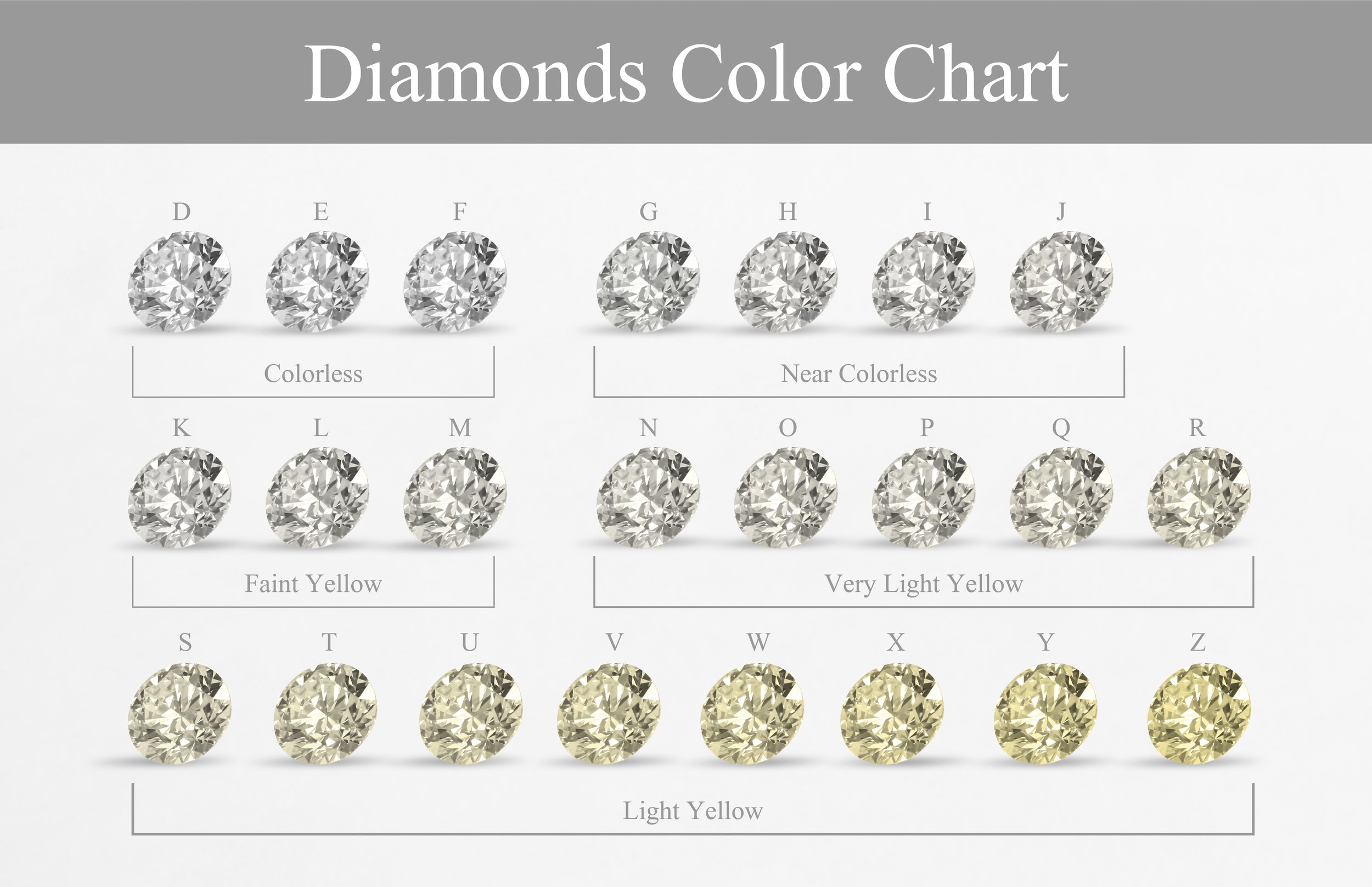
Helpful Tip: If you’re buying a diamond for an engagement ring, consider G-H grades for a colorless look at a more affordable price. Once set in a ring, most people cannot tell the difference between D and G grades.
Cut Grades: From Ideal to Poor
The cut of a diamond refers to how well it has been shaped and faceted. It is the most important factor when it comes to a diamond’s sparkle and brilliance. A well-cut diamond will reflect light beautifully, while a poorly cut diamond will appear dull, even if it has excellent clarity and color. The cut grades range from Ideal to Poor.
Ideal/Excellent: This is the highest cut grade and is applied to diamonds that are cut to precise proportions. These diamonds reflect nearly all light that enters them, resulting in maximum brilliance and fire. Ideal cuts are a fantastic choice if you want a truly stunning diamond.
Very Good: These diamonds are cut well, but not quite to the same level as ideal cuts. They still reflect most light and offer great brilliance, making them an excellent value for those who want quality without paying a premium.
Good: Diamonds in this range reflect a significant amount of light, but they may have proportions that cause some light to escape. These are more affordable and can still look beautiful, especially if other quality factors are strong.
Fair: These diamonds allow much of the light to escape, resulting in less sparkle. They are typically chosen for budget reasons or for settings where the diamond’s sparkle is less important.
Poor: Diamonds with a poor cut grade have proportions that significantly impact their ability to reflect light, making them appear dull. These diamonds are the least expensive but lack the brilliance most people look for.
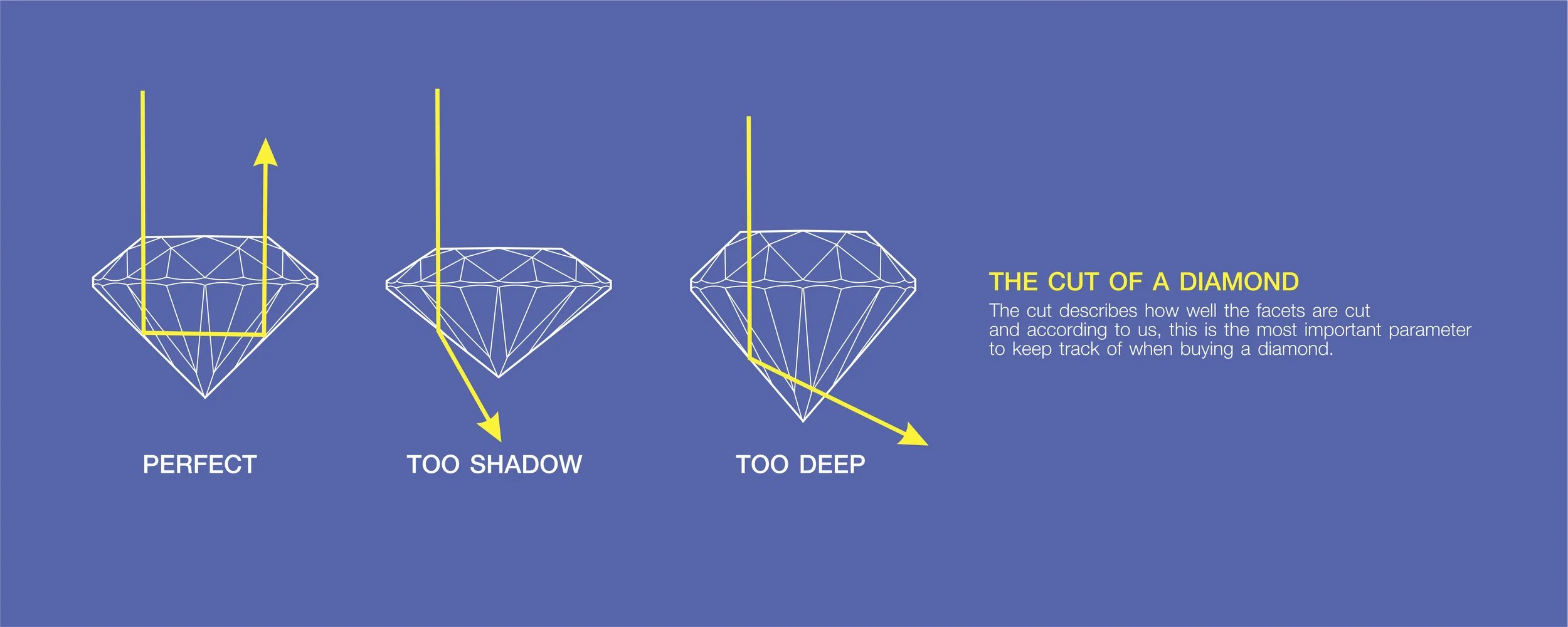
Helpful Tip: Always prioritize cut quality over carat weight or color. A well-cut diamond will always look more impressive, even if it’s smaller or has minor inclusions.
Finding the Right Balance
Choosing the right diamond is all about balancing clarity, color, and cut to match your priorities and budget. For most people, prioritizing cut is key, as it has the greatest impact on how dazzling the diamond appears. Color and clarity are important, but there are many ways to find the right balance that fits your needs without breaking the bank.
Recommended Resource: Consider using online tools like James Allen's 360° Viewer to closely inspect diamonds and see how different clarity, color, and cut grades look in real life.
Helpful Products and Resources
Diamond Color Grading Chart: Download a printable color grading chart to help you compare diamonds side-by-side. Available at [link].
Expert Consultation: Many jewelers, like Blue Nile, offer virtual consultations with gemologists to help you choose the best diamond for your budget and preferences.
Understanding the grading scales for clarity, color, and cut will give you the confidence to choose a diamond that not only fits your budget but also dazzles with beauty. With the right knowledge, you can make a purchase that will bring joy for years to come.
